
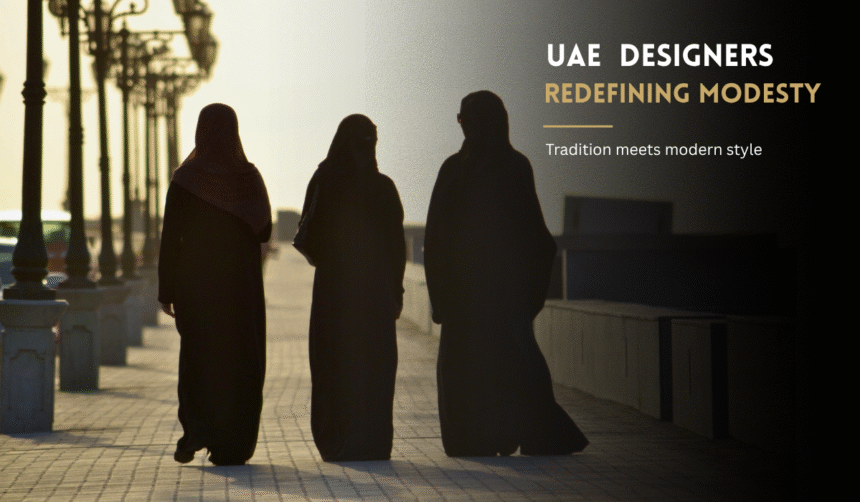
Modest fashion in the UAE is changing, but its connection to tradition remains strong. Local designers are finding new ways to work with familiar garments, using modern cuts, new fabrics, softer colours and thoughtful details to give modest dressing a fresh identity.
The abaya remains an important part of Emirati fashion, yet today’s designs are moving beyond traditional shapes. Designers are experimenting with volume, layering and tailoring to create pieces that feel contemporary while respecting the cultural values behind modest dressing.
For women in the UAE, this evolution also reflects modern lifestyles, where clothing needs to work across professional settings, social occasions, family gatherings and travel.
Giving the abaya a contemporary shape
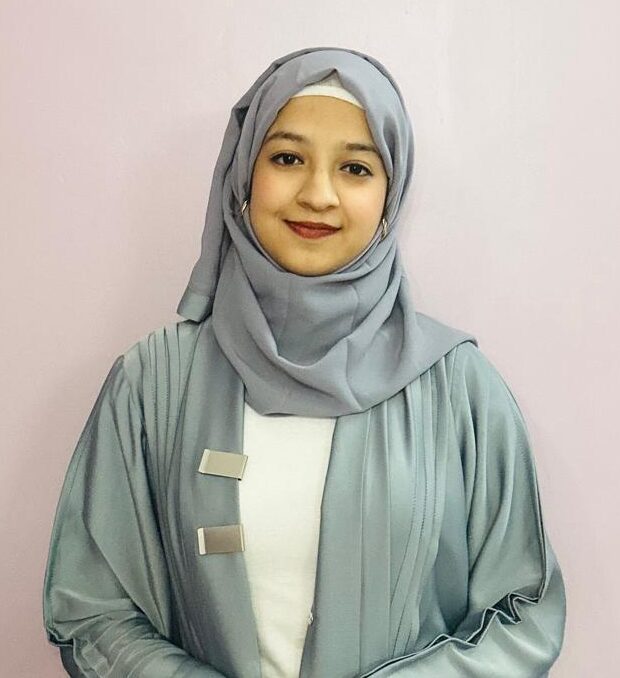
Emirati designer Heba Al Jasmi, who works through her labels ZAY and CLAY, is among the designers exploring how traditional modest garments can evolve.
Her approach focuses on construction, proportion and the way fabric falls on the body. Changes in seams, draping and volume can give a familiar garment a completely different character.
ZAY places a strong emphasis on black, a colour closely associated with the abaya. Rather than treating black as one particular style, the designs demonstrate how different fabrics and silhouettes can create varied looks.
Some pieces are clean and structured, while others rely on softer fabrics and flowing shapes. This allows the black abaya to move easily between understated and dramatic styles.
CLAY takes a different direction, introducing a wider colour palette while maintaining a sense of modesty and elegance.
Colour brings another dimension
Black continues to have a special place in UAE fashion, but contemporary modest wear is increasingly embracing colour.
Soft shades such as peach, blush, mint, lavender, pastel yellow and off-white are appearing alongside traditional neutrals. Embroidery and floral details add character without overwhelming the overall silhouette.
Other contemporary collections are exploring colours including camel, khaki, chocolate, coral, bordeaux and marine blue.
The wider palette gives women more freedom to dress according to the occasion and their personal style. Modest fashion no longer has to follow a single visual formula.
Fabrics shape the look
Fabric is another important part of the changing modest-fashion landscape.
Lightweight materials such as chiffon can give garments a soft, flowing quality, while linen creates a more relaxed appearance. Velour, jacquard and quilted fabrics can add structure and depth.
Designers are also paying close attention to movement. Instead of allowing fabric to simply fall around the body, draping is used to create folds, layers and volume that change as the wearer moves.
This makes the silhouette itself an important part of the design.
An abaya can be loose and flowing, sharply tailored or dramatically layered, depending on its construction and material. The aim is to create a distinctive shape without compromising modesty.
A different perspective on heritage
Dubai-based Kazakh designer Raushan Tilani brings another cultural perspective to the UAE’s modest-fashion scene.
Her work draws on Central Asian heritage while responding to the style and lifestyle of women in the UAE. Her collections include fitted chapans, coordinated three-piece outfits and abayas made with materials such as linen and velour.
Traditional patterns and embroidery bring a sense of heritage, while contemporary cuts give the garments a modern character.
Her designs also highlight the multicultural nature of the UAE’s fashion industry, where different traditions can meet and develop within the same creative environment.
Designing for modern life
The evolution of modest fashion is closely connected to the changing ways women dress and live.
A garment may need to work in an office during the day and at a formal event later in the evening. It may also need to be practical enough for travel while maintaining a polished appearance.
This has encouraged designers to think beyond clothing made for a single occasion.
Layering has become particularly useful. Abayas and outer layers can be styled with dresses, trousers, blouses, scarves or jackets, giving women different ways to wear the same piece.
That flexibility makes contemporary modest fashion feel more practical and personal.
Modesty meets individual expression
One of the most noticeable changes is the growing understanding that modest fashion does not have to follow one formula.
Two women can choose modest clothing while expressing completely different styles. One may prefer a structured black abaya, while another may choose a flowing pastel jalabiya with delicate embroidery.
Silhouette, colour, fabric and accessories give the wearer room to create an individual look.
For designers, this creates a much wider creative space. Modesty becomes part of the design language rather than a boundary that limits creativity.
Where UAE modest fashion is heading
The UAE’s fashion scene continues to evolve through the meeting of heritage and contemporary design. Local designers are drawing inspiration from traditional garments while responding to global influences and the changing expectations of today’s consumers.
The modern abaya and jalabiya can now be elegant, practical, experimental or dramatic, depending on how they are designed and styled.
Designers such as Heba Al Jasmi and Raushan Tilani are contributing to this evolution in different ways, showing how cultural identity can remain visible even as silhouettes, colours and styling change.
For today’s wearer, modest fashion is not simply about how much a garment covers. It is also about how it feels, how it moves and what it communicates.
That may be the most important change taking place in UAE fashion: modesty is becoming less about following one traditional shape and more about creating space for identity, confidence and individual expression.