
From relaxed tailoring to smart casual outfits, modern professionals are choosing clothing that balances comfort, practicality and polish.
The traditional power suit is no longer the only option for professional dressing. Across the UAE, changing workplace routines and flexible dress codes are encouraging professionals to explore clothing that works beyond the boardroom.
A typical working day might include a morning meeting, an afternoon café session and an evening presentation. With long commutes, hot weather and heavily air-conditioned offices, employees increasingly need outfits that offer comfort without compromising their appearance.
This shift is reshaping how professionals approach their wardrobes, placing greater emphasis on versatile pieces, practical fabrics and personal style.
Relaxed tailoring takes centre stage
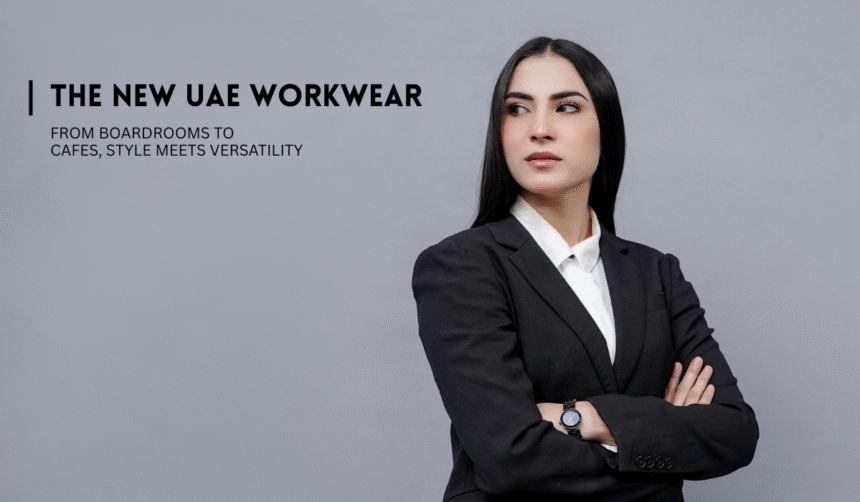
Tailoring remains an important part of office fashion, but modern styles are moving away from rigid silhouettes. Unstructured blazers, wide-leg trousers and lightweight fabrics offer a more relaxed alternative to traditional formalwear.
Crepe, fluid twill and breathable blends can provide structure while allowing greater freedom of movement. A tailored jacket paired with a silk T-shirt, loafers and a structured handbag creates a polished outfit suitable for meetings and after-work plans.
Colour choices are also expanding. Navy, charcoal, taupe and ivory offer alternatives to all-black outfits, while maintaining a refined appearance.
The focus is on building clothing combinations that can accommodate long working hours and different professional settings.
Tonal dressing makes wardrobes more versatile
Tonal dressing, which combines different shades of the same colour, offers a simple way to create coordinated outfits. A fluid blouse paired with complementary trousers can produce a sophisticated look without requiring complicated styling.
Its practical advantage is versatility. Individual pieces can be combined with other wardrobe essentials, helping professionals create multiple outfits from fewer garments.
For employees managing their budgets, investing in adaptable staples can also reduce the need for frequent clothing purchases. A neutral blazer, for example, can be worn with tailored trousers, skirts or dark denim, depending on the workplace dress code.
Dressing for the UAE climate
The UAE’s climate makes fabric selection an important consideration. Professionals often move between hot outdoor conditions and cool, air-conditioned interiors, making lightweight layers useful throughout the day.
Longline blazers, fine-gauge knitwear and lightweight scarves can provide additional coverage without creating excessive bulk. Breathable cotton, linen blends and lightweight twill are practical options for warmer conditions.
A well-planned outfit can also reduce the need to change clothes between work and social activities. A shirt dress, for example, can be styled with flats for daytime wear and upgraded with accessories for an evening engagement.
The growing appeal of smart-casual dressing
As workplace dress codes vary between industries and organisations, smart-casual clothing offers flexibility in appropriate settings. Dark, well-fitted denim paired with a tailored blazer and blouse can create a professional appearance in offices that permit relaxed dressing.
Other versatile options include waistcoat-and-trouser sets, midi skirts and coordinated shirt-and-trouser combinations. These pieces allow professionals to experiment with their appearance while maintaining a considered look.
However, workplace expectations remain different across sectors. Employees in finance, law and other formal environments may need to follow stricter dress codes, while creative and flexible workplaces may offer more freedom.
Understanding these expectations is essential when choosing what to wear for meetings, presentations and everyday office work.
Building a practical professional wardrobe
A modern workwear collection does not need to be extensive. A few well-fitting essentials can create a range of outfits suitable for different occasions.
A tailored blazer, comfortable trousers, a neutral blouse and versatile footwear provide a useful starting point. Additional pieces, such as a shirt dress or fine-gauge knit, can expand styling options.
Fit, fabric and condition often matter as much as the individual garment. Clothing that is clean, well-maintained and appropriate for the workplace contributes to a polished appearance.
Accessories can also change the character of an outfit. A structured bag, simple jewellery or a different pair of shoes can create variation without requiring a complete wardrobe change.
Office fashion beyond the boardroom
The evolution of UAE workwear reflects a broader interest in clothing that suits modern working routines. Professionals are looking for outfits that transition between meetings, commutes and social activities while remaining appropriate for their workplace.
Relaxed tailoring, tonal dressing and climate-conscious layering offer practical ways to achieve that balance. Yet there is no single formula for professional dressing. The right choice depends on the industry, company expectations, individual preferences and daily schedule.
Rather than treating comfort and professionalism as opposing priorities, today’s workwear approach allows both to coexist. A thoughtfully chosen wardrobe can help employees feel comfortable, present themselves appropriately and adapt to the different demands of a working day.
The modern office wardrobe is not about abandoning professional style. It is about making it more flexible, practical and relevant to everyday life.