

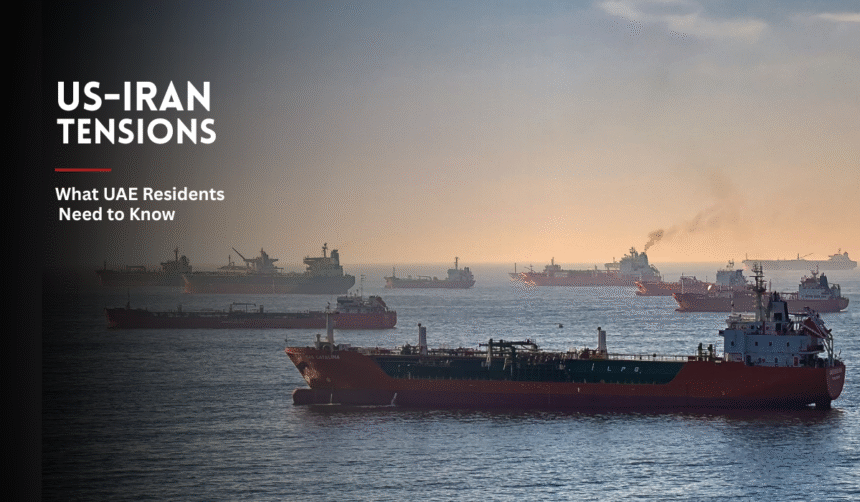
A straightforward look at the latest developments in the Strait of Hormuz and what they could mean if you’re living in or travelling through the UAE.
If you’ve been trying to keep up with the US-Iran situation but the headlines seem to change by the hour, here’s a clear update. Diplomatic efforts are continuing, although Washington and Tehran are presenting different views on the current state of negotiations. Oil prices have eased, two separate tanker incidents were reported off the coast of Oman over the weekend, and some Gulf airlines are continuing to review their schedules. Here’s what has been confirmed so far and what it means for people living in or travelling through the UAE.
Are Diplomatic Talks Back on Track?
US President Donald Trump said over the weekend that he had instructed US forces to stand down from a planned strike, saying a deal to end the five-month conflict was within reach and that negotiations would resume on Monday afternoon. However, no date has been announced for a formal agreement.
Iran has taken a more cautious stance. A Foreign Ministry spokesperson said on Monday that there are currently no direct talks with the United States. Instead, officials are negotiating with Oman over a temporary shipping corridor through the Strait of Hormuz, including designated entry and exit routes.
Iran’s foreign minister also told cabinet members that those discussions were in their “final stages”, although no further details were shared. At the same time, Tehran has stressed that even if progress is made with Oman, it does not believe the wider dispute will end unless the US changes its current approach.
In short, Washington is expressing optimism, while Tehran maintains that significant differences remain.
Saudi Arabia has also been involved in diplomatic efforts. Crown Prince Mohammed bin Salman spoke with President Trump as regional leaders continued to encourage de-escalation, with the Kingdom supporting efforts to reduce tensions across the region.
Oil Prices Ease, but Uncertainty Remains
Markets responded positively to hopes of renewed diplomacy.
Oil prices fell by around 5%, reflecting cautious optimism among investors. However, analysts say volatility is likely to continue while uncertainty over the region persists.
Although the decline offers some relief, prices have fluctuated sharply throughout the conflict and could change again as developments unfold.
What Happened Off the Coast of Oman?
One point that has caused confusion online is the reporting around tanker incidents near Oman. These were two separate events.
According to the UK Maritime Trade Operations (UKMTO):
- One tanker reported hearing and feeling an explosion around 20 nautical miles northeast of Khasab, Oman. The vessel was not damaged and all crew members remained safe.
- A second tanker, about 11 nautical miles northeast of Limah, Oman, was struck by an unidentified projectile. The impact damaged the engine room, leaving the vessel unable to continue under its own power. Authorities are investigating the incident.
Ships operating in the area have been advised to remain vigilant and report any suspicious activity.
Shipping Through the Strait of Hormuz Remains Under Pressure
US Central Command (CENTCOM) says its blockade of Iranian ports, which resumed on 14 July after the previous ceasefire collapsed, has redirected 35 commercial vessels.
The United States says the blockade applies specifically to Iranian ports rather than the Strait of Hormuz itself, which it says remains open to compliant commercial shipping. Iran disputes that interpretation, underscoring the continuing disagreement between the two sides.
Flying from the UAE? Here’s What You Should Know
For many residents, the biggest concern is travel.
Airlines serving Dubai, Abu Dhabi and Sharjah continue to review schedules based on the evolving security situation. While many flights are operating as normal, some carriers have adjusted routes or temporarily reduced services.
If you’re travelling soon, it’s worth taking a few simple precautions:
- Check your airline’s official website or app before leaving for the airport.
- Arrive at least three hours before departure.
- Rely on updates from your airline, airport or the UAE General Civil Aviation Authority (GCAA), rather than rumours circulating on social media.
- Keep both digital and printed copies of your travel documents.
Why This Matters Beyond Air Travel
The impact isn’t limited to flights.
The Strait of Hormuz remains one of the world’s busiest shipping routes, meaning any disruption can influence shipping costs, insurance premiums and global energy prices. Over time, those changes may affect fuel prices and supply chains across the UAE and beyond.
For now, the best approach is to stay informed through official UAE channels, avoid relying on unverified messages shared on WhatsApp or social media, and keep an eye on trusted travel updates if you have upcoming plans.
What Happens Next for UAE Residents?
There are encouraging signs that diplomatic efforts are continuing, but the situation remains fluid.
With Iran saying there are no direct talks with the United States, tanker incidents still under investigation, and shipping restrictions continuing, it is too early to conclude that tensions have eased completely.
For most people in the UAE, daily life continues as normal. If you’re travelling, it’s sensible to check your flight status before heading to the airport and rely on official updates rather than speculation online.
As developments continue, staying informed through trusted sources remains the best way to make travel and day-to-day decisions with confidence.