




Dubai’s tourism sector has grown into one of the world’s most recognisable travel destinations, supported by iconic attractions, international connectivity, luxury hospitality and an expanding range of experiences. As Arabian Travel Market (ATM) returns for its 33rd edition, the event also highlights how dramatically Dubai and the global tourism industry have changed over the past three decades.
Dubai welcomed 19.6 million international visitors in 2025, demonstrating the continued strength of its tourism sector. The milestone reflects the emirate’s ability to attract travellers from different markets while offering a combination of leisure, entertainment, shopping, culture and hospitality.
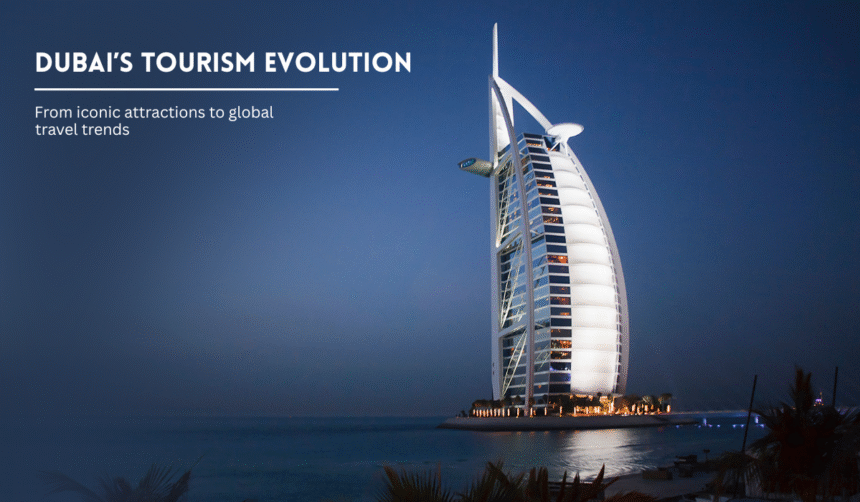
The city’s famous landmarks remain central to its international appeal. Attractions such as the Burj Al Arab and Burj Khalifa have helped establish Dubai as a distinctive destination, while newer leisure and entertainment venues have continued to broaden what visitors can experience.
This expansion has allowed Dubai to appeal to a wider range of travellers. Families can explore entertainment and leisure attractions, luxury visitors can choose from high-end hotels and resorts, while business travellers can combine professional commitments with the city’s extensive tourism offering.
Dubai’s location has also strengthened its position in international tourism. Situated between major markets across Europe, Asia, Africa and the Middle East, the emirate benefits from extensive air connectivity and has developed into an important global travel hub.
ATM’s transformation over three decades
Arabian Travel Market has evolved alongside Dubai’s tourism industry. When the event was first held in Dubai in 1994, it brought together exhibitors from 52 countries and attracted around 7,000 trade visitors.
More than 30 years later, ATM has become a major international platform for the travel industry, bringing together tourism authorities, airlines, hotels, destinations, travel companies and other professionals.
The development of the event reflects broader changes in the way people travel. Earlier tourism exhibitions focused heavily on destinations, accommodation and traditional travel services. Over time, the conversation expanded to include digital technology, sustainability, changing consumer behaviour and personalised experiences.
Technology has transformed almost every stage of a journey. Travellers can now research destinations, compare accommodation, book flights, arrange activities and discover recommendations through digital platforms before they leave home. Tourism businesses, meanwhile, have gained new ways to reach international audiences and understand changing customer preferences.
The global tourism industry also experienced one of its greatest disruptions during the Covid-19 pandemic. International travel came to an unprecedented halt, affecting airlines, hotels, attractions and businesses around the world. The recovery that followed demonstrated the importance of adaptability and international cooperation.
Dubai builds for changing travellers
Dubai has continued to develop its tourism offering as traveller expectations evolve. Its strategy increasingly goes beyond relying on a handful of internationally famous landmarks, with new attractions, entertainment options, hospitality projects and events adding greater variety to the visitor experience.
The emirate’s broad tourism offering has become an important advantage in a competitive global market. Travellers increasingly look for destinations that provide convenience, memorable experiences and a range of activities rather than simply a list of traditional sightseeing spots.
Dubai has responded by combining its established attractions with new experiences. Visitors can move between shopping districts, beaches, cultural destinations, restaurants, entertainment venues and major landmarks within the same trip.
The growth of tourism also has a wider economic impact. International visitors support hotels, restaurants, airlines, retail businesses, attractions and entertainment venues, creating connections between different parts of Dubai’s economy.
The city’s continued visitor growth therefore represents more than rising tourist numbers. It reflects the development of an increasingly diverse tourism ecosystem capable of responding to different travel preferences.
A new chapter for global tourism
As Arabian Travel Market reaches its 33rd edition, the event provides a useful reflection on the transformation of both Dubai and the wider travel industry.
What began as a regional travel exhibition has developed into an international meeting point at a time when tourism is becoming increasingly technology-driven, experience-focused and competitive.
For Dubai, the latest edition comes as the emirate builds on strong international visitor numbers while continuing to strengthen its position as a global tourism hub.
From landmarks that helped establish Dubai’s international identity to newer attractions responding to changing traveller preferences, the city’s tourism story continues to evolve.
The next stage of global travel will likely be shaped by connectivity, technology, personalised experiences and the demand for destinations that offer more than traditional sightseeing. Dubai’s ability to combine its established attractions with new experiences puts it in a strong position as the international tourism landscape enters its next chapter.