




Abu Dhabi brings together experts from more than 25 national organisations for a two week programme focused on radiation safety, emergency planning and coordinated response.
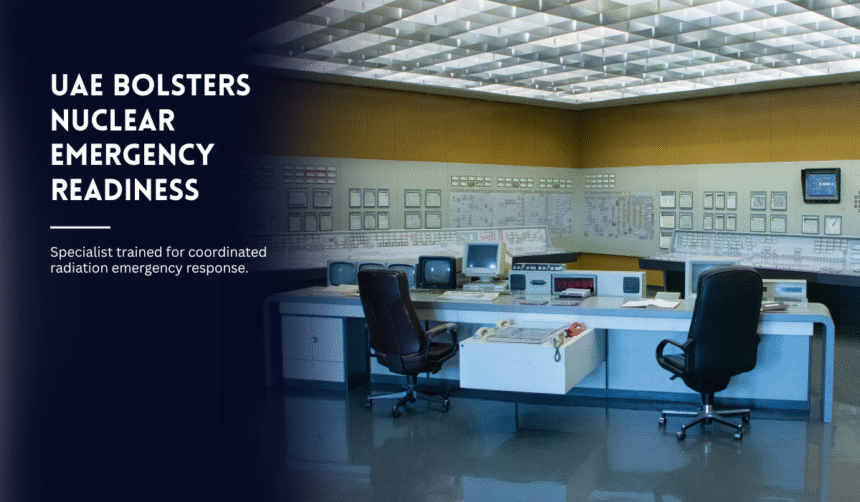
The United Arab Emirates has stepped up efforts to strengthen its preparedness for nuclear and radiological emergencies by bringing together specialists from more than 25 national organisations for an intensive training programme in Abu Dhabi.
Organised by the Federal Authority for Nuclear Regulation (FANR), in collaboration with the International Atomic Energy Agency (IAEA) and the Abu Dhabi Civil Defence Authority (ADCDA), the IAEA School of Radiation Emergency Management took place from October 12 to 23, 2026. The initiative focused on developing national expertise and improving the ability of relevant authorities to respond effectively to potential nuclear and radiation-related incidents.
The programme reflects the importance of maintaining robust emergency arrangements, particularly as international developments continue to underline the need for vigilance, preparedness and cooperation in nuclear safety.
Building Expertise in Emergency Response
The two-week programme combined classroom instruction, practical sessions and exercises designed to strengthen participants’ understanding of radiation emergency management. Its curriculum covered emergency planning, response procedures and the coordination required between different authorities when dealing with incidents involving nuclear or radioactive materials.
Bringing professionals from multiple organisations into a shared training environment also created opportunities to exchange knowledge, discuss operational practices and develop a more consistent approach to emergency management.
Effective responses to nuclear and radiological incidents require more than technical expertise alone. Authorities must be able to assess situations, communicate relevant information and coordinate their actions promptly. Specialist training helps participants understand their respective responsibilities and prepares them to work together when circumstances demand a rapid, organised response.
National Readiness Remains Essential
Hamad Al Kaabi, Director-General of FANR, emphasised the importance of remaining alert to potential nuclear and radiological emergencies in light of recent geopolitical developments.
He said the UAE was continuing to invest in professional training and international cooperation to reinforce its response capabilities. Protecting the public, emergency personnel and the environment remains central to these efforts.
The emphasis on preparedness highlights the value of developing skilled personnel before an emergency occurs. Regular training allows specialists to strengthen their knowledge of established procedures and improve their ability to make informed decisions under pressure.
It also supports the continuous development of emergency arrangements, helping relevant organisations maintain readiness as risks and operational requirements evolve.
Strengthening Coordination Across Authorities
Major General Salem Abdullah bin Barrak Al Dhaheri, Director-General of the Abu Dhabi Civil Defence Authority, highlighted the importance of close institutional cooperation in improving emergency preparedness.
He underscored the need for sustained training, clearly defined emergency plans and effective coordination among specialised teams. The exchange of expertise and refinement of operational procedures are also essential to improving response capabilities and protecting lives and property.
The involvement of national organisations alongside international partners supports a coordinated approach in which different authorities can better understand their roles during an emergency. Such cooperation is particularly important when an incident requires expertise and resources from several agencies.
The programme’s opening ceremony brought together senior officials from FANR, Abu Dhabi Civil Defence Authority and the IAEA, alongside representatives of participating organisations.
International Cooperation in Nuclear Safety
The IAEA School of Radiation Emergency Management has been conducted internationally since 2015, supporting countries in developing their capacity to prepare for and respond to nuclear and radiological emergencies.
The programme forms part of the agency’s Technical Cooperation Programme, which helps participating countries strengthen technical knowledge, professional capabilities and safety practices.
Hosting the school in Abu Dhabi reinforces the UAE’s engagement with international nuclear safety initiatives and its commitment to exchanging expertise with global partners. It also provides a platform for specialists to learn from different experiences and strengthen their understanding of established emergency management approaches.
International collaboration plays an important role in nuclear safety because preparedness depends on reliable procedures, qualified personnel and the ability to coordinate across organisational boundaries.
A Continued Commitment to Public Safety
The training initiative forms part of broader efforts to strengthen the UAE’s national emergency preparedness framework. By investing in specialist knowledge and encouraging cooperation between relevant organisations, the country aims to ensure that its response arrangements remain effective and adaptable.
While preparedness programmes cannot eliminate every potential risk, they can improve the ability of authorities to identify challenges, follow established procedures and respond in a coordinated manner.
The Abu Dhabi programme therefore represents an important investment in professional capability, institutional cooperation and radiation emergency management. Continued training and international engagement will remain essential to supporting nuclear safety, protecting communities and maintaining readiness for potential emergencies.