
Choosing a doctor or medical treatment can now begin with something as simple as scrolling through Instagram or TikTok. A clinic tour, a before andafter photograph or an influencer talking about a procedure can quickly shape a patient’s impression of a healthcare service.
Dubai is putting clearer boundaries around that content.
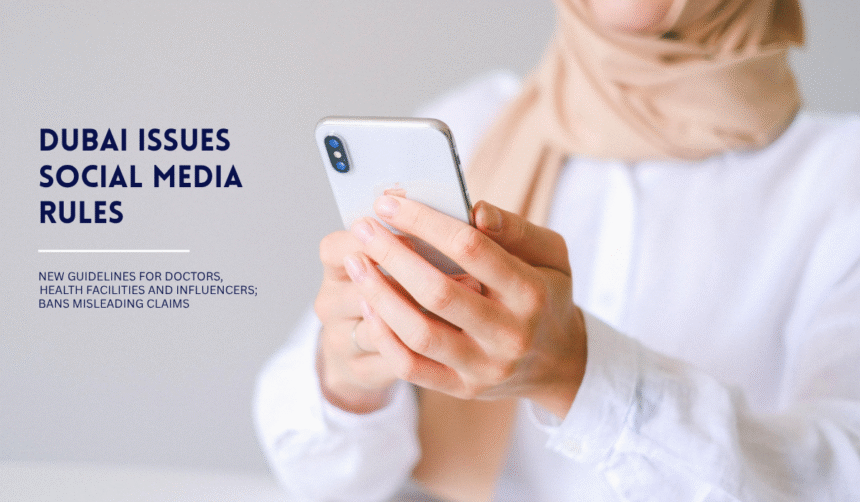
The Dubai Health Authority (DHA) has issued standards for medical advertising on social media, setting out how healthcare professionals and facilities can promote their services online and how influencer content linked to clinics should be handled.
The rules apply to licensed private-sector healthcare facilities and professionals in Dubai and are aimed at making medical advertising more credible and useful for people making decisions about their health.
Big Promises Have Limits
Healthcare marketing often competes for attention in the same crowded feeds as fashion, food and entertainment. But selling a medical treatment comes with different responsibilities.
Under the standards, promotional content cannot rely on exaggerated claims that suggest a particular result is certain.
Words and phrases such as “miraculous”, “magic”, “100 per cent”, “assured success”, “no side effects” and “immediate results” are among those restricted. Claims describing a treatment or service as the “best” or “safest” are also not allowed in the manner outlined by the standards.
For patients, the principle is important. A treatment that produces one result for one person may work differently for someone else, and an advertisement should not turn that uncertainty into a guarantee.
Influencer Content Is Part of the Picture
The standards also address a form of advertising that has become increasingly familiar online: influencers promoting clinics and treatments.
When influencer content identifies a healthcare facility, it requires approval from the facility’s medical director. Clinics also carry responsibility for promotional material filmed on their premises, even when it is recorded using a personal device or posted through someone else’s account.
That means a collaboration with an influencer cannot simply sit outside a clinic’s own advertising responsibilities.
For residents, it could make sponsored or promotional health content easier to judge, particularly when an online personality is discussing a procedure or sharing an experience at a medical facility.
Before and After Images Must Reflect Reality
Pictures can be particularly persuasive when people are considering cosmetic, dental or aesthetic procedures.
Dubai’s standards set conditions around how patient photographs, videos and testimonials are used.
Written consent is required before patient material is published for advertising purposes, with additional consent requirements applying to patients under 18.
Before and after photographs must feature the same patient and follow consistent imaging requirements. Digital alteration is prohibited, while advertising must make clear that results can vary from person to person.
There are boundaries around filming procedures as well. Promotional filming or live-streaming during surgery in operating theatres or procedure rooms, including while a patient is under general anaesthesia, is prohibited.
Professional Titles Need to Mean Something
Another area covered by the standards is the way healthcare professionals describe themselves online.
Social media makes it easy to add impressive sounding labels to a profile, but medical credentials cannot be treated simply as branding.
Healthcare professionals must use titles that reflect their DHA licence rather than adopting descriptions that do not match their recognised professional status.
There are also requirements governing the use of “Dr”. Physicians and dentists can use the title, while professionals with recognised PhDs may do so subject to the applicable qualification and attestation requirements.
For someone comparing doctors or clinics online, accurate titles provide a clearer idea of who is actually offering the service and what qualifications they hold.
Clinics Have Responsibilities After Posting
The rules do not end when a reel, photograph or advertisement goes live.
Healthcare facilities are expected to oversee their social media activity, train staff and keep records of published material that may be required for regulatory checks. Medical directors also have responsibility for content connected with their facilities.
Advertisements cannot use the DHA name or logo, or those of other government entities, without the required permission.
Content should also not frighten people into seeking treatment, take advantage of limited medical knowledge or make unsupported claims of superiority over other healthcare providers.
Failure to comply with the standards can lead to disciplinary action.
What It Means for Patients
Social media has made healthcare services easier to discover. Within minutes, residents can find clinics, watch doctors explain procedures and see other people’s experiences without leaving their homes.
The difficulty is knowing where useful information ends and advertising begins.
That distinction matters more in healthcare than in many other industries. A restaurant recommendation may influence where someone eats dinner. A convincing medical advertisement can influence a decision involving their body, wellbeing or treatment.
Dubai’s latest standards do not remove healthcare promotion from social media. Instead, they set clearer expectations for what doctors, clinics and those promoting them can say and show.
For residents, the result should be straightforward: fewer sweeping promises, more realistic information and a clearer picture of the professionals and treatments appearing on their screens.